There is no legal ibogaine treatment in California. Ibogaine is a Schedule I controlled substance under federal law, no California clinic can administer it, and despite the state's reputation as psychedelic-friendly territory, California has never introduced an ibogaine bill.
What California does have is the best geography in the country. The largest cluster of ibogaine clinics in the world sits twenty minutes past the San Diego border crossing, which means Californians reach vetted treatment with a drive rather than a flight. Here is the legal picture, then the route.
Important safety notice: This is independent research, not medical advice or an endorsement of any clinic. Ibogaine carries documented risks of serious cardiac events, including fatal arrhythmia (torsades de pointes); at least 33 deaths have been reported in the scientific literature, most in settings without adequate pre-treatment screening or continuous cardiac monitoring. We assess what clinics publicly disclose. We do not inspect facilities, review individual medical records, or guarantee outcomes, and a listing or score on this site is not a recommendation to book. Speak with a licensed physician who knows your full medical history before considering ibogaine treatment, and read our safety guide first.
California law: psychedelic momentum, no ibogaine pathway
California was not among the seven states that introduced ibogaine research or access legislation in 2025, per the Legislative Analysis and Public Policy Association: Arizona, Kentucky, Nevada, New York, Oregon, Texas and Washington. The state's marquee psychedelic bills have not carried ibogaine either: SB 58, the decriminalization bill the governor vetoed in October 2023, did not include ibogaine in its final text, and SB 1012, the 2024 attempt at licensed psychedelic services, stalled in committee.
The one recent signature is AB 1103, signed in October 2025. It speeds up the Research Advisory Panel of California's approval of federally authorized studies of Schedule I substances, including ibogaine, from January 2026 through January 2028. That is a win for researchers at California universities. It is not a treatment pathway: possession and administration outside a federally authorized study remain crimes, and no licensed ibogaine clinic exists anywhere in the state.
The shortest route in the country
For Southern California, treatment logistics are a drive, not a trip. Clinics in the Tijuana corridor sit roughly twenty minutes from the San Ysidro crossing and arrange pickup on the US side or at the border; Rosarito operators are about forty minutes south, and Ensenada about two hours. From Los Angeles, San Diego is a two-hour drive; from the Bay Area, a ninety-minute nonstop flight, then the same border pickup. No US patient population reaches supervised ibogaine treatment with less friction, which is part of why the border corridor holds the world's largest cluster of clinics.
Published prices in October 2026 run from about $3,500 for short retreat programs to $36,000 for the longest medical stays, with most standard 7-day detox programs between about $6,500 and $13,500. The cost guide compares every published price, and the Tijuana, Rosarito and Ensenada pages cover each market in detail.
Choosing well from California
Proximity makes it tempting to book the closest clinic. Resist that: the border corridor is also the most crowded market, where marketing outruns substance. Ibogaine carries a real cardiac risk, and if you are detoxing from opioids, fentanyl or methadone, you belong at a clinic with physicians, EKG screening, continuous monitoring and a stated emergency plan. The safety guide walks through the screening checklist, and every profile in the directory carries a safety-transparency scorecard so you can compare clinics on what they disclose.
Also see the state-by-state legal tracker and the guides for Arizona, Texas and what "near me" really means.
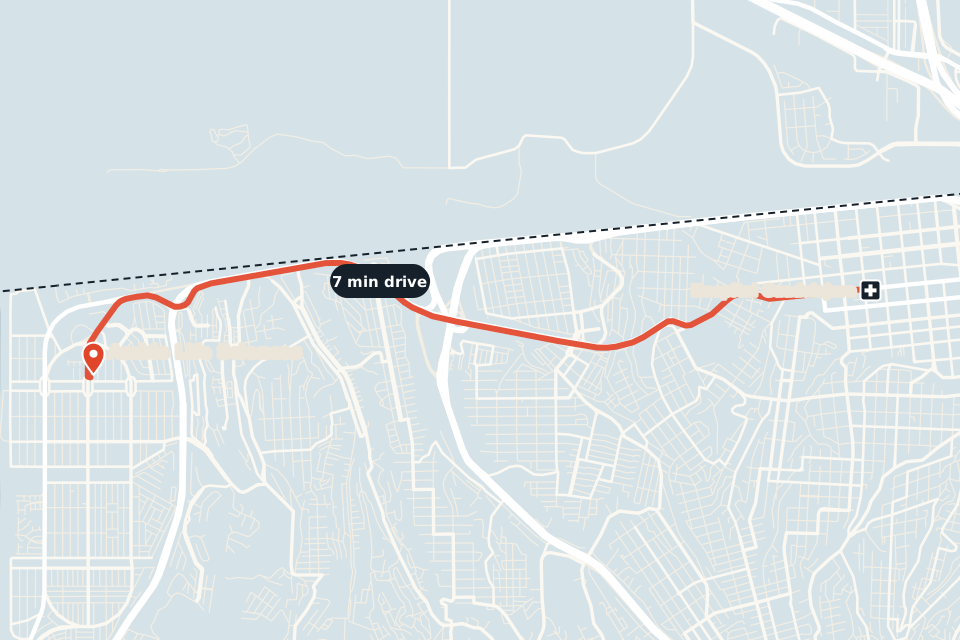 Tijuana
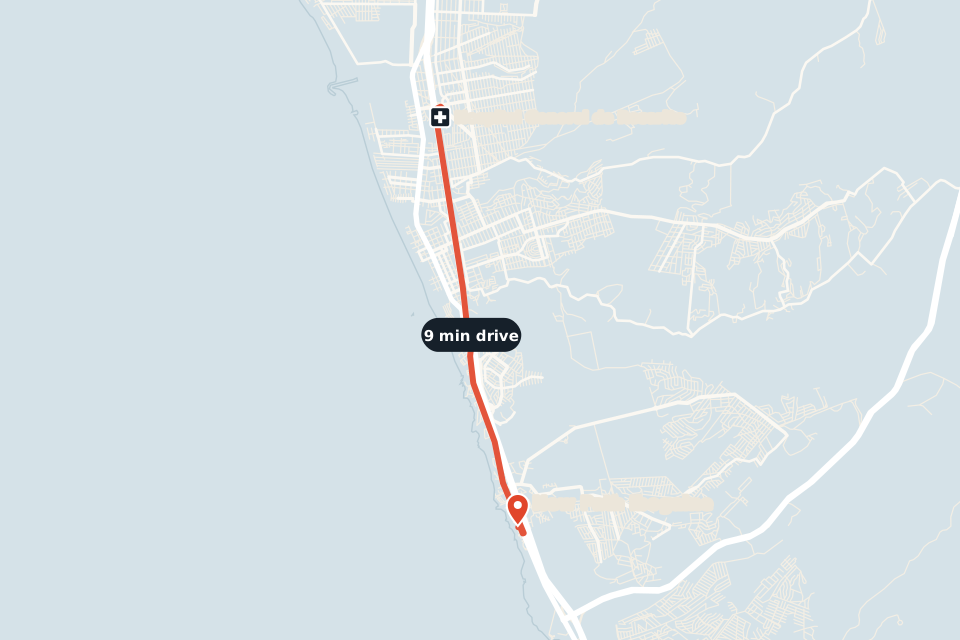 Rosarito Beach
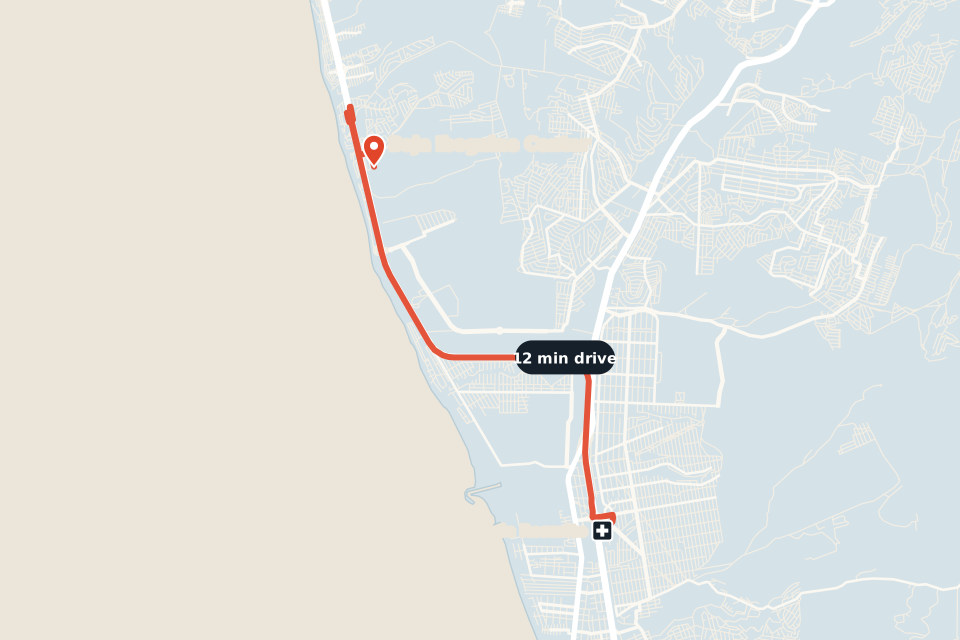 Rosarito