Oregon pioneered regulated psychedelic services in the United States, which is exactly why so many people assume ibogaine treatment is available there. It is not. Oregon's licensed psilocybin service centers administer psilocybin only, ibogaine is not part of that program, and ibogaine remains a federal Schedule I substance with no legal clinic anywhere in the state.
Oregonians who want ibogaine treatment in 2026 travel, almost always to the Baja corridor a short flight south. Here is the law, then the logistics.
Important safety notice: This is independent research, not medical advice or an endorsement of any clinic. Ibogaine carries documented risks of serious cardiac events, including fatal arrhythmia (torsades de pointes); at least 33 deaths have been reported in the scientific literature, most in settings without adequate pre-treatment screening or continuous cardiac monitoring. We assess what clinics publicly disclose. We do not inspect facilities, review individual medical records, or guarantee outcomes, and a listing or score on this site is not a recommendation to book. Speak with a licensed physician who knows your full medical history before considering ibogaine treatment, and read our safety guide first.
Oregon law
Oregon was one of seven states that introduced ibogaine research or access legislation in 2025, alongside Arizona, Kentucky, Nevada, New York, Texas and Washington, per the Legislative Analysis and Public Policy Association. No Oregon bill has become an access program. The state's psilocybin framework under Measure 109 was written for psilocybin specifically and does not extend to other substances, so nothing about Oregon's psychedelic infrastructure changes the ibogaine answer: possession and administration remain illegal.
The federal picture is moving faster than the state one. An April 2026 executive order directs the FDA and DEA to accelerate psychedelic research and build a Right to Try pathway that names ibogaine compounds, with $50 million in federal research funding. It has not yet produced a legal treatment route in Oregon or anywhere else in the country.
The Baja corridor from the Northwest
From Portland or Eugene the practical route is a nonstop to San Diego, about two and a half hours, then a clinic pickup at the border. Tijuana clinics sit roughly twenty minutes from the crossing, Rosarito about forty, and Ensenada two hours down the coast. The corridor has the highest clinic density in Mexico and the widest price spread, which cuts both ways: strong medical programs and thin retreat operations share the same zip codes, so compare disclosure scores before price. The Tijuana, Rosarito and Ensenada pages cover each market.
Published prices in October 2026 run from about $3,500 to $36,000, with most standard 7-day medical detox programs between about $6,500 and $13,500; see the cost guide for the full table.
Vetting from afar
You will be choosing a clinic by phone and video from a thousand miles away, so use disclosure as your filter: EKG screening stated, ACLS-certified staff stated, monitoring described, hospital proximity named. Every profile in the directory scores those five disclosures so you can shortlist before the first call, and the safety guide lists the questions that separate medical programs from marketing.
Also see the state-by-state legal tracker and the guides for Colorado, Texas and what "near me" really means.
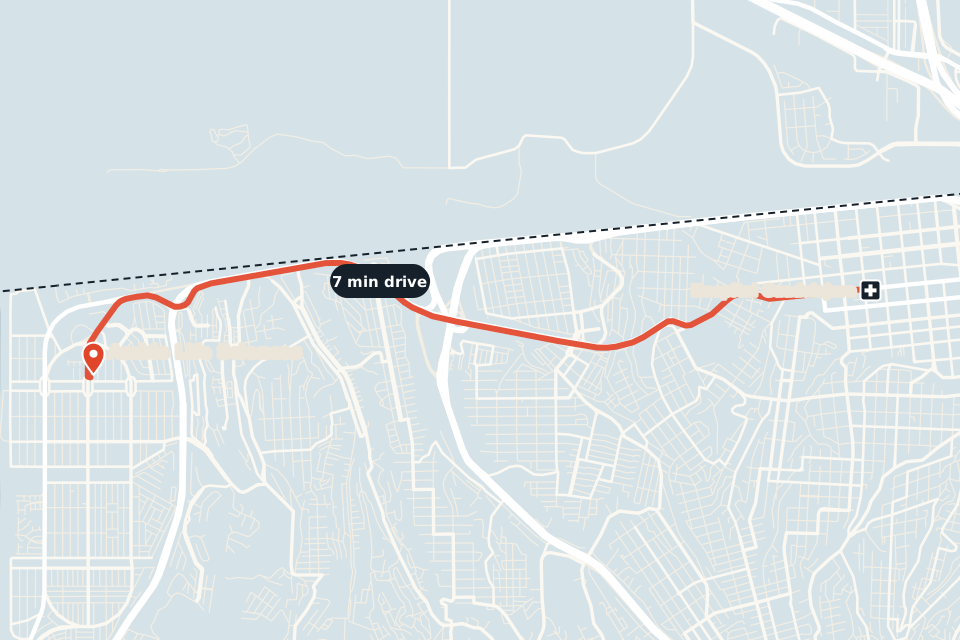 Tijuana
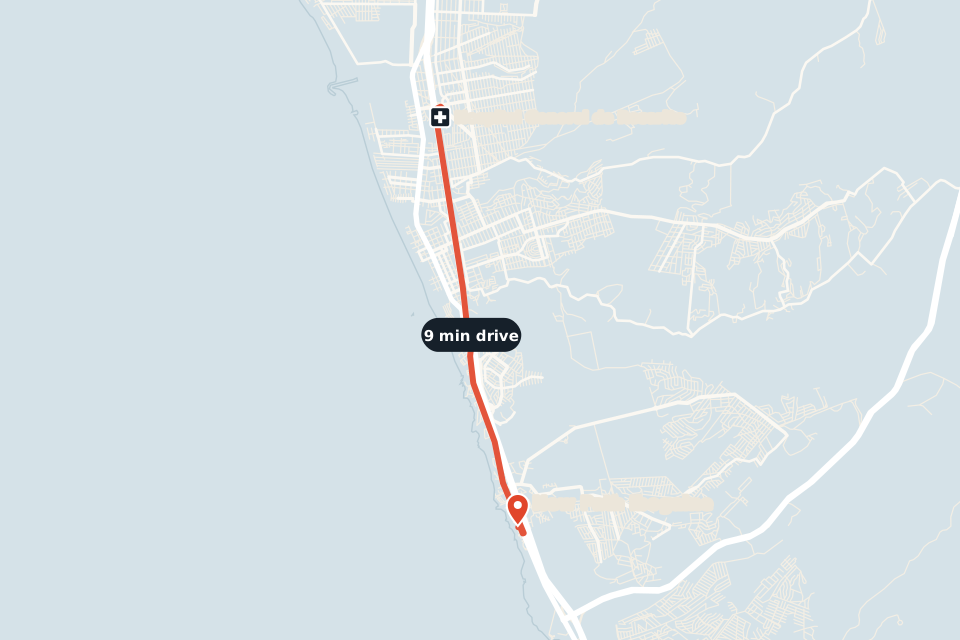 Rosarito Beach
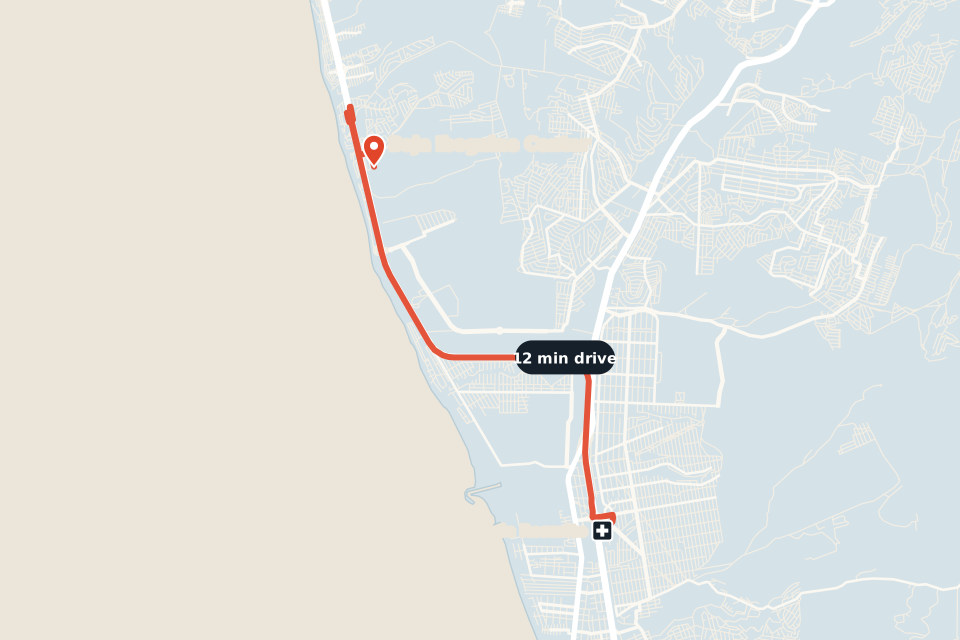 Rosarito